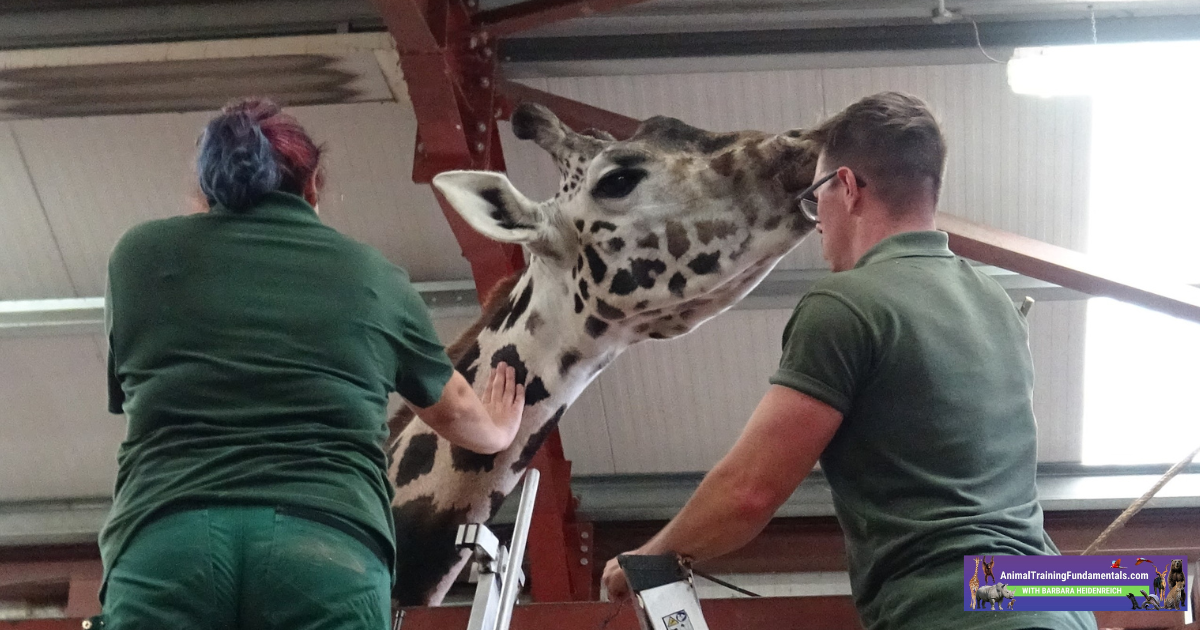
In the world of animal training, resilience is a term that is increasingly gaining attention. But what does resilience really mean when it comes to animals, and how can we effectively train for it? Resilience in this context is not about pushing animals to their limits or simply waiting for them to "get over" something. Rather, it involves careful, compassionate training that helps animals adapt to and thrive in changing and sometimes challenging environments.
Defining Resilience in Animal Training
Resilience can be broadly defined as the ability of an animal to effectively manage and adapt to changing stimulus conditions while continuing to emit desired behaviors. These conditions may be aversive or appetitive—meaning they might involve stimuli the animal wishes to avoid or approach. A resilient animal is one that stays engaged with the task at hand despite these changes, quickly returning to the desired behavior even if momentarily distracted.
However, resilience is not a permanent state or a trait that comes from within the animal. It is not something an animal simply has, and it is not best attained by forcing an animal to push through difficulties without support. Instead, resilience is a construct—a hypothetical entity used to explain observable behaviors under certain conditions. It's important to recognize that resilience, as a label, can be subjective and may vary in its interpretation, which can sometimes hinder the development of effective training programs.
Misconceptions About Resilience
One common misconception is that resilience is a personality trait, something intrinsic to the animal. This is not the case. Resilience is not a fixed attribute; it can change depending on the animal's experiences and the training it receives. Another misconception is that resilience can be achieved by simply letting an animal "toughen up." This approach often leads to stress, fear, and anxiety rather than true resilience.
Additionally, some believe that compassionate training and resilience are mutually exclusive—that to build resilience, trainers must abandon reinforcement or less coercive methods. This couldn't be further from the truth. In reality, compassionate training strategies are crucial for developing true resilience in animals, allowing them to adapt and cope without undue stress.
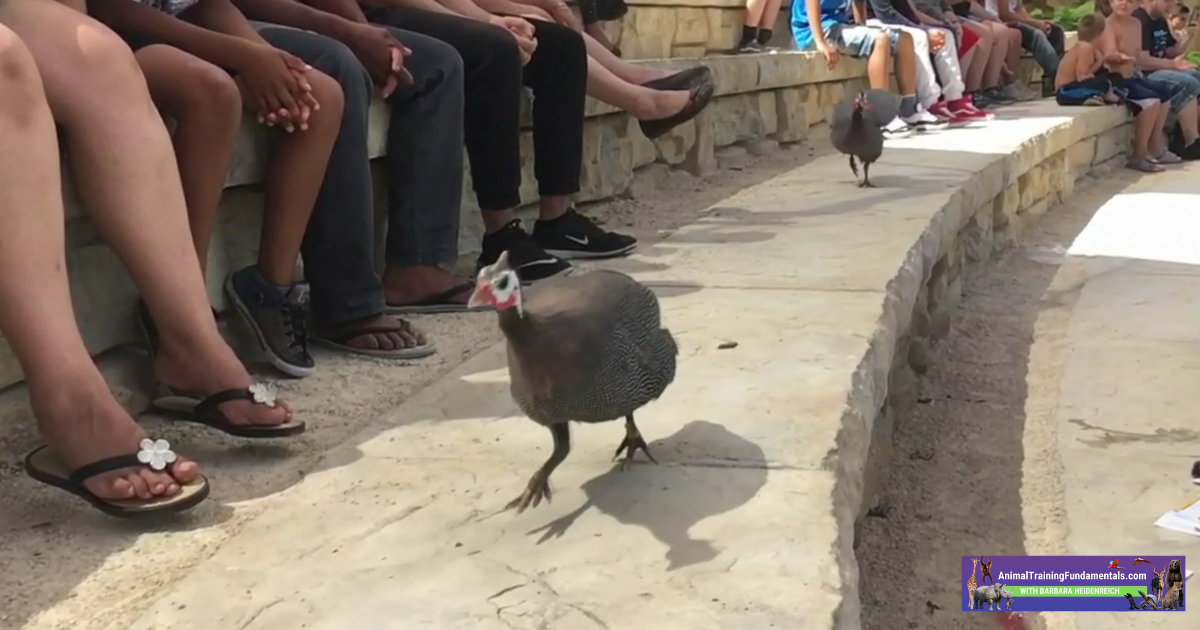
Training for Resilience: A Thoughtful Approach
1. Clearly Define Desired Behaviors
The first step in training for resilience is to clearly define the behaviors you want the animal to emit under challenging conditions. These behaviors should be specific and observable.
2. Train Behaviors to Fluency
Once the desired behaviors are defined, the next step is to train them to fluency. Fluency in this context means that the animal can perform the behavior quickly and accurately under various conditions without hesitation. Fluency is key to resilience because it ensures that the animal can rely on these behaviors even when faced with distractions or stressors.
3. Build Behaviors Resistant to Extinction
To build resilience, it’s important to consider your reinforcement schedule. Behaviors that are reinforced on intermittent schedules tend to be more resistant to extinction, meaning the animal will continue to perform them even when reinforcement is not immediately available. This resistance is a crucial component of resilience, as it allows the animal to persist in the face of changing or unpredictable conditions.
4. Utilize Nonlinear Contingency Analysis (NCA) and Cost-Benefit Analysis
Conducting a nonlinear contingency analysis helps identify any competing contingencies that might interfere with the desired behavior. By addressing or eliminating these competing factors, you can create a cost-benefit matrix that favors the desired behavior. This strategic approach helps ensure that the animal sees the desired behavior as the most beneficial course of action, even under challenging conditions.
5. Prepare for the Conditions Under Which Behaviors Will Be Emitted
Understanding the conditions under which the behavior will be required is crucial for building resilience. Some conditions will be predictable, like the time of day or the specific environment, while others may be unpredictable, such as sudden changes in the environment or the presence of unexpected stimuli. By programming for generalization and training fluent component behaviors, you can prepare the animal to adapt to both predictable and unpredictable conditions.
6. Shape Resilience Incrementally
Resilience is not built overnight. It requires a gradual, incremental approach where the animal is slowly exposed to increasing levels of challenge. Developing shaping plans that create opportunities to reinforce desired responses during unexpected changes is essential. Over time, this approach helps the animal learn that change is a normal part of their environment and that they can adapt without stress.
7. Strategies to Avoid
While training for resilience, it’s important to avoid strategies that can harm the animal’s well-being. These include:
- Zero Degrees of Freedom: Forcing animals to engage with aversive stimuli without any ability to opt-out can lead to coercion and stress.
- Deprivation: Using deprivation to potentiate consequences can lead to undue stress and is not a compassionate approach.
- Extinction of Undesired Responses: Extinguishing undesired responses through methods that cause fear, aggression, or frustration can damage the process and overall resilience.
- Compulsion: Training methods that rely on aversive consequences for noncompliance can undermine your objectives and the animal's willingness to engage in future training.
Recap
Resilience in animal training is about more than just "toughening up" an animal. It involves teaching the animal to adapt to and thrive in changing conditions through carefully designed, compassionate training programs. By clearly defining behaviors, training them to fluency, building resistance to extinction, and preparing for both predictable and unpredictable conditions, trainers can help animals develop true resilience. This approach not only enhances the animal's ability to cope with challenges but also ensures that training maximizes benefits and minimized harms.
In the end, resilience is about preparation, not just hope. By using behavioral principles and thoughtful training procedures, we can give our animals the best chance at success, even in the face of adversity.
Explore More!
Take a deeper dive with our full course "An Exploration of Resilience in Animal Training" inside the Animal Training Fundamentals platform.
There’s More to Explore
Discover courses, articles, tools, and resources across Animal Training Fundamentals
BECOME A MEMBER FOR EXTENSIVE BENEFITS


About Barbara Heidenreich
Barbara Heidenreich is a zoologist and animal training and behavior consultant specializing in species managed in zoological facilities. She earned her B.S. in Zoology from the University of California, Davis. Barbara consults internationally with zoos, universities, veterinary professionals, and conservation programs and has worked onsite with more than 90 facilities in 30 countries.
In addition to her consulting work, Barbara serves as an Adjunct Instructor at Texas A&M University and operates AnimalTrainingFundamentals.com, a comprehensive online education program offering hundreds of courses on animal training and behavior. Her work focuses on applying behavior analysis to improve animal welfare through building behavior, contingency analysis, genuine choice, and constructional approaches to behavior change.
Barbara has authored two books, contributed to five textbooks, and co-authored two Fear Free® Avian Certification Courses. She advises the Animal Training Working Group and Parrot Taxon Advisory Group for the European Association of Zoos and Aquaria and serves as Co-Chair and founding member of the Zoological Association of America’s Animal Training Committee. She has contributed to conservation projects including the Kakapo Recovery Program and the Borneo Orangutan Survival Foundation and has received seven awards from zoological trade organizations recognizing her contributions to the field.
Keep the Learning Going: Join My Mailing List
Get notified about new live-streams, events, workshops and more!
DO YOU LOVE THIS CONTENT? SHARE IT WITH OTHERS!