Resilience Is Trained, Not Tested.
Prepare animals to successfully navigate change, challenges, and unexpected situations—without requiring them to simply tolerate distress.
What Does Resilience Really Look Like?
Resilience isn't simply an animal's ability to tolerate something difficult or "push through" a challenging situation. In animal training, resilience can be seen in an animal's ability to adapt when conditions change while maintaining—or quickly returning to—desired behavior.
That ability can be built.
Fluent skills, experience with changing conditions, flexible behavioral repertoires, appropriate reinforcement, and thoughtful shaping can all help prepare animals for situations that don't go exactly as planned. Instead of waiting for animals to encounter adversity and hoping they cope successfully, training can give them skills and experiences that make successful adaptation more likely.
The goal isn't to find out how much an animal can tolerate. It's to prepare the animal to succeed when things change.
What Helps Build Resilient Behavior?
When Behavior Changes, Look at the Conditions
An animal that hesitates, disengages, avoids, or struggles when circumstances change isn't necessarily showing us that it needs to become "more resilient."
Behavior may be telling us something important about the conditions we've created.
Competing contingencies, unfamiliar stimuli, insufficient reinforcement history, changes in the environment, or gaps in an animal's existing repertoire can all affect performance. Looking more closely at those conditions can reveal what needs to change in the training plan.
Instead of asking, "How do we make the animal tolerate this?" we can ask, "What can we build that will help the animal succeed?"
Explore Resilience From Different Angles
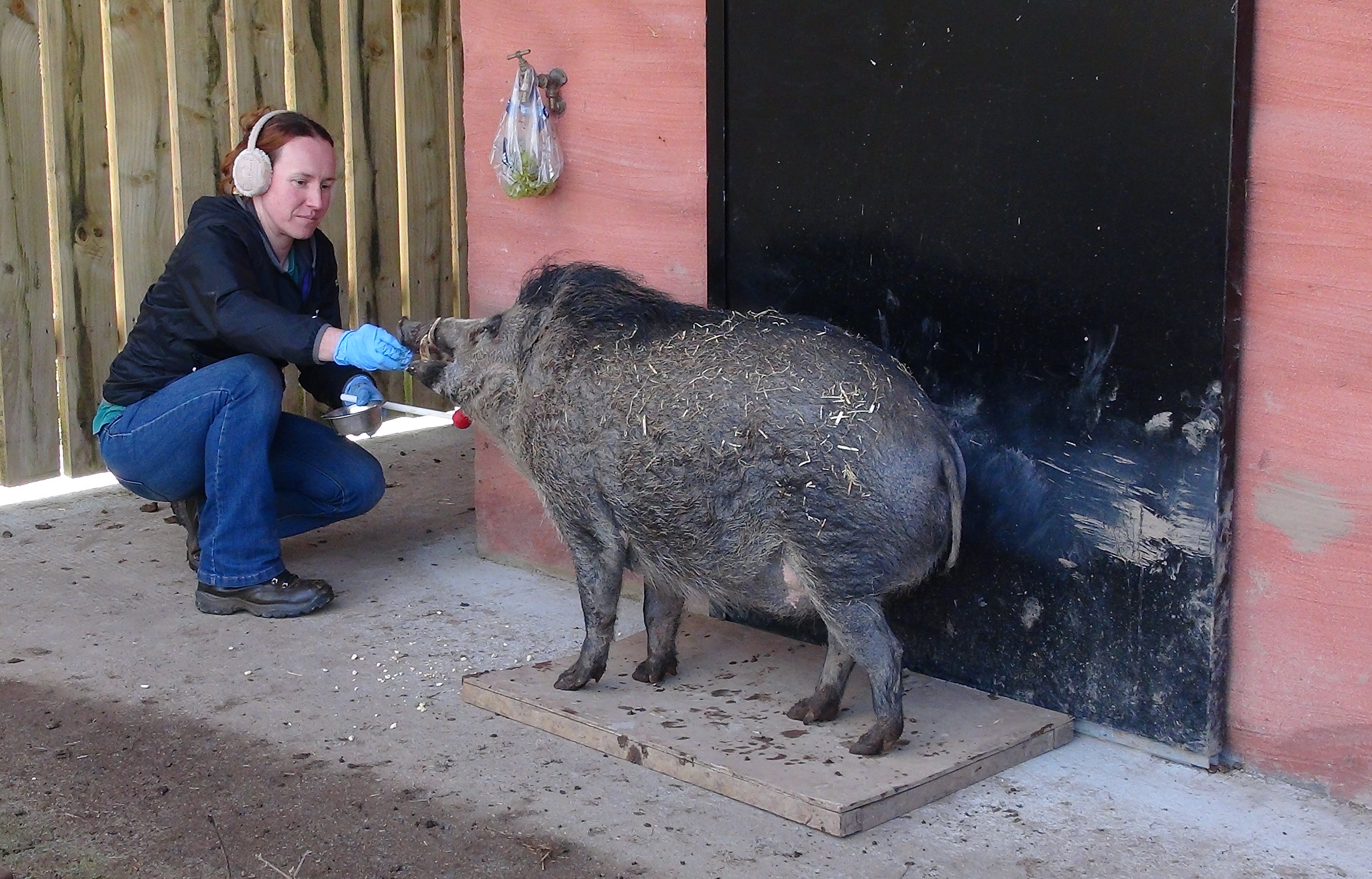
Start with Training
Resilience can be supported through deliberate training. Fluency, reinforcement schedules, generalization, flexible repertoires, and carefully shaped experiences with change can all help prepare animals for situations that don't go exactly as expected.
Interested in learning more about teaching resilience?........
Read a Short Article about Resilience

Look Deeper
Hesitation, approach and retreat, or apparent reluctance may indicate that multiple contingencies are operating at the same time. Rather than assuming an animal simply needs more confidence or resilience, examining those contingencies may reveal why behavior is changing.
Read a Short Article about Conflicted Behavior

Resilience in Action
Discover what resilience can help you accomplish. Ambassador animals offer an interesting look at behavior that remains reliable despite changing venues, audiences, distractions, and other environmental conditions. The Amazing Acro-Cats provide a fun real-world example of what trainers can learn from strong behavioral repertoires.
Watch the Results of Resilience in Action
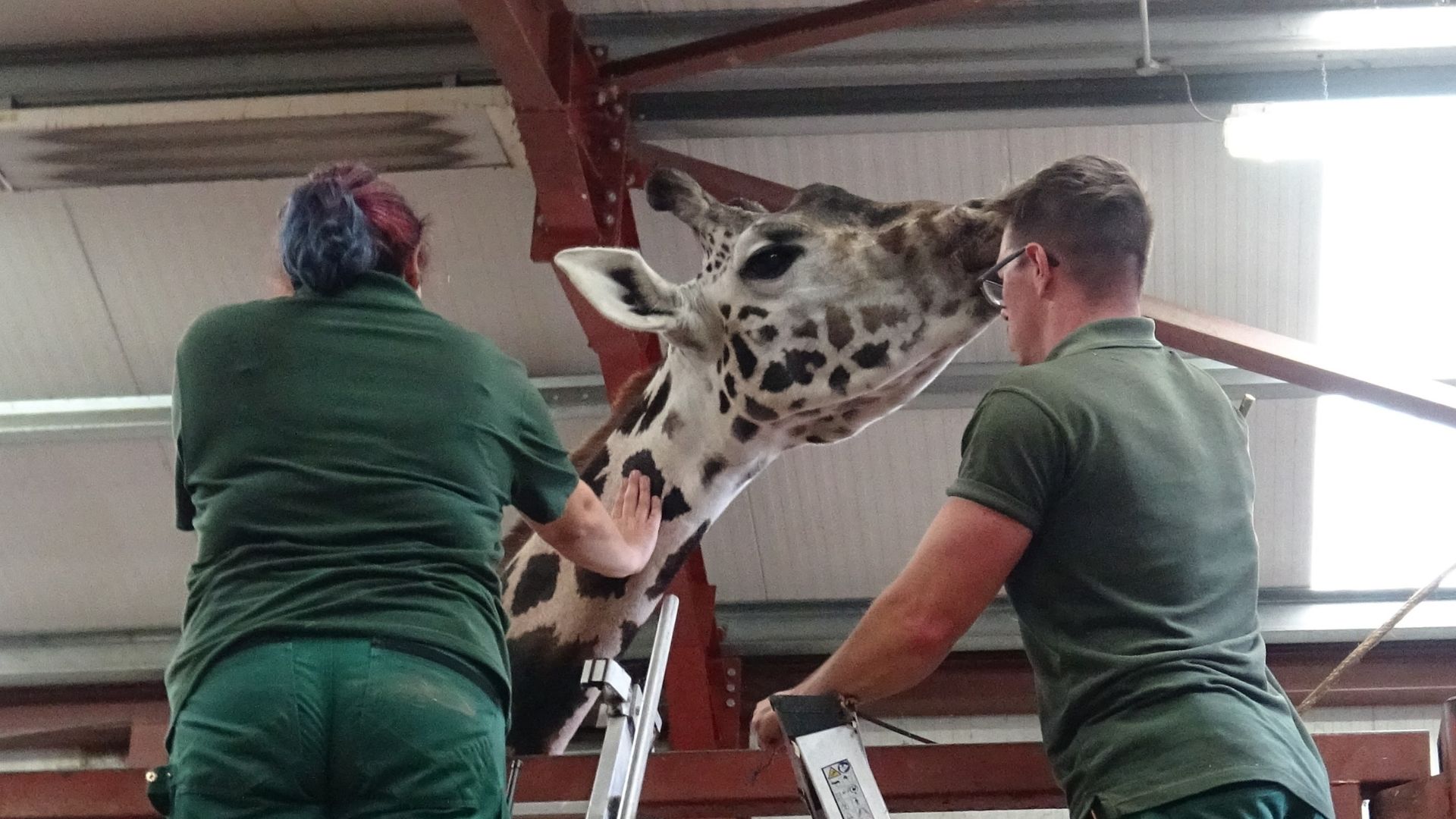
Explore the Science
Build Behavior Instead of Testing Tolerance. A constructional approach shifts attention away from eliminating unwanted behavior and toward understanding current contingencies and building useful repertoires. This creates opportunities to address behavioral challenges while supporting agency and animal welfare.
Ready For More?
Keep the Learning Going: Join My Mailing List
Get notified about new live-streams, events, workshops and more!